

- Products
- Technical
- Customize
- Material
- About
- Contact
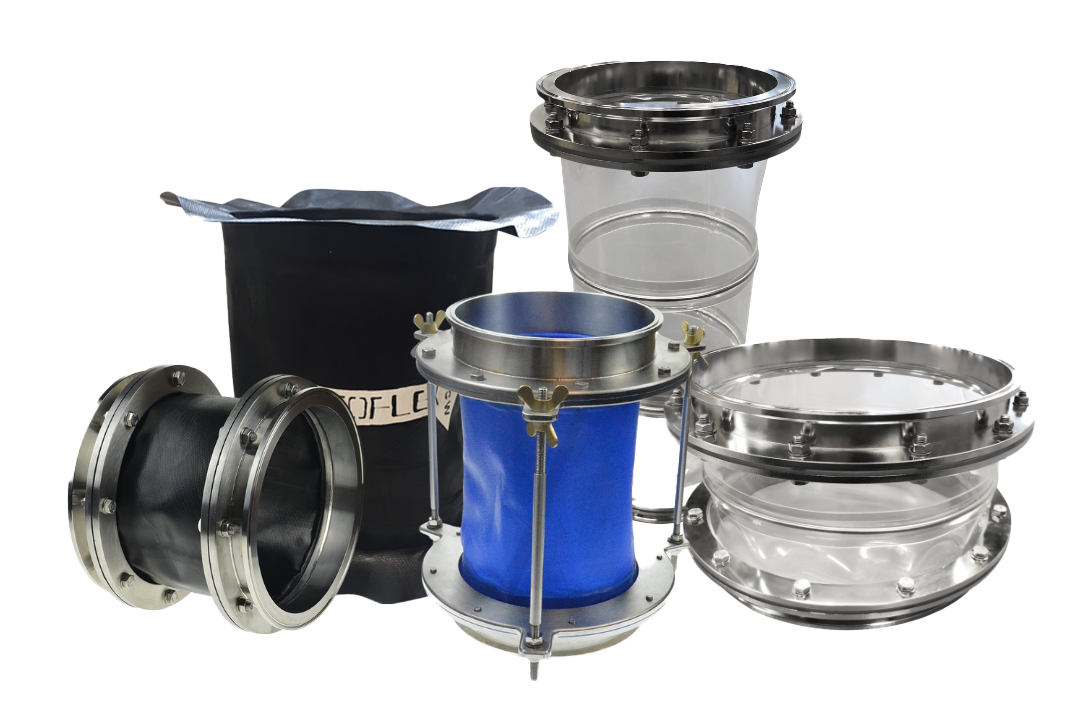
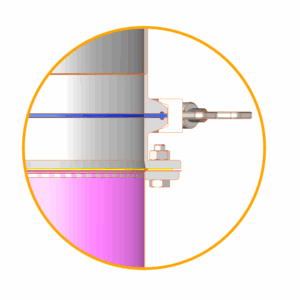
The tri-clamp flange is machined together with a bolt pattern flange or is welded together from a bolt pattern flange, together with a tri-clamp flange. The standard tri-clamp gasket is replaceable, as well as the gaskets that seal the adapter flange to the flexible connector. With the LFDDC, you have the advantage of re-using all metal parts and replace the flexible sleeve, making it a cost-effective investment.
The assembly can be done with a wide range of bolts and bolt heads, from various materials, washers can be used, as well as nuts, or threaded flanges. Standard is a hexagon head, 2 washers and a nut, for easy disassembly. Other options could be counter sunk bolts, threaded flanges instead of nuts or flanged bolts to replace washers.





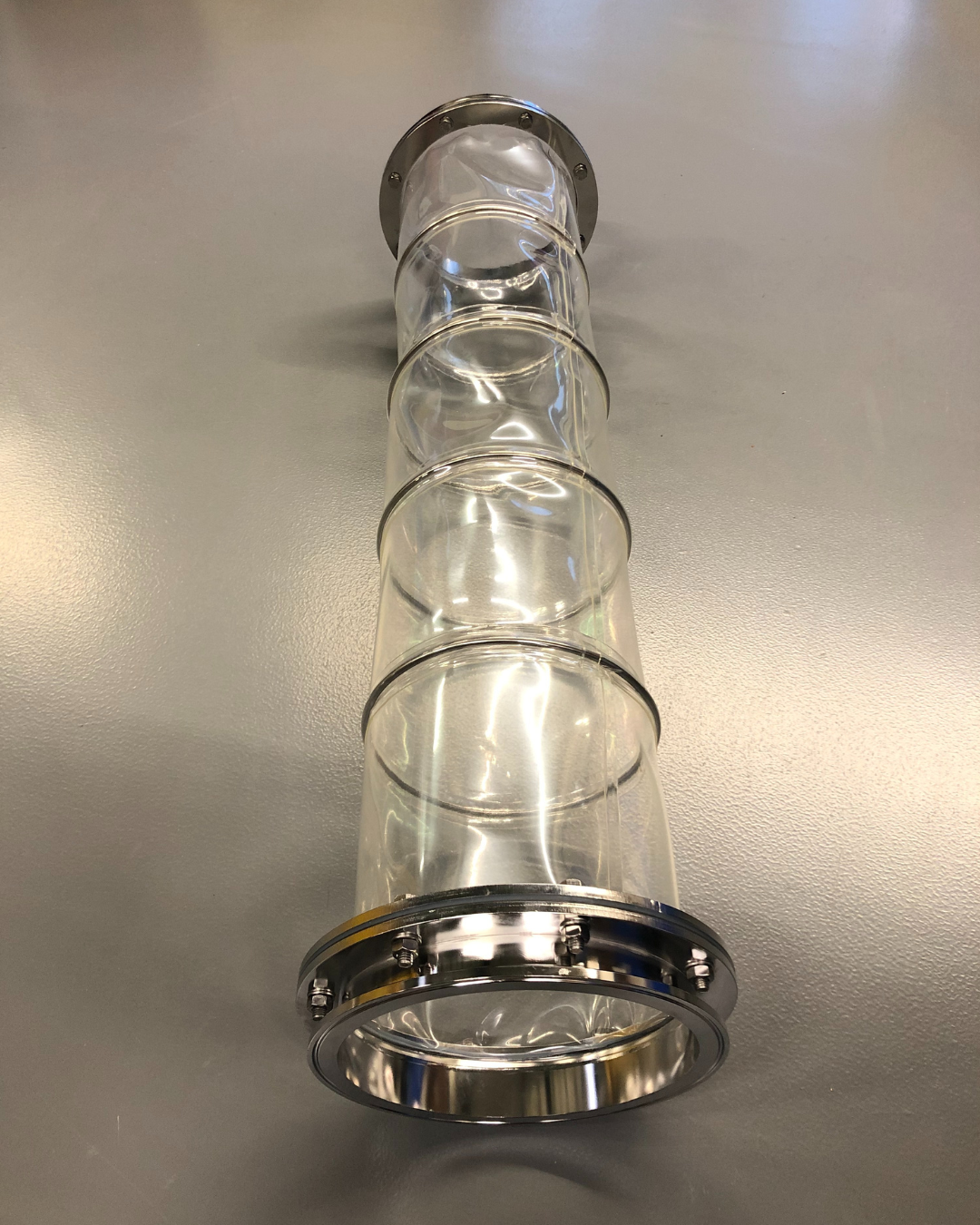
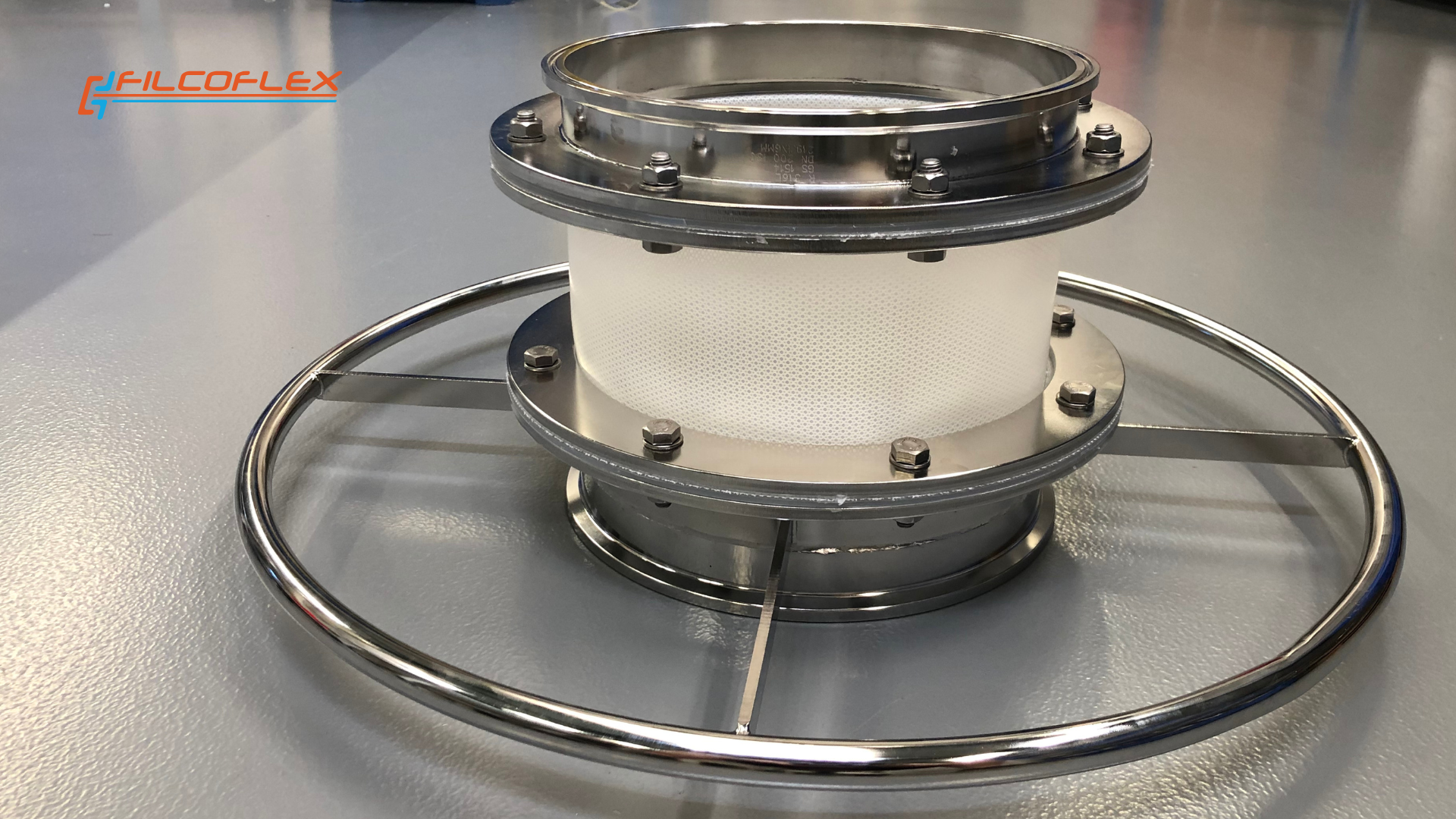
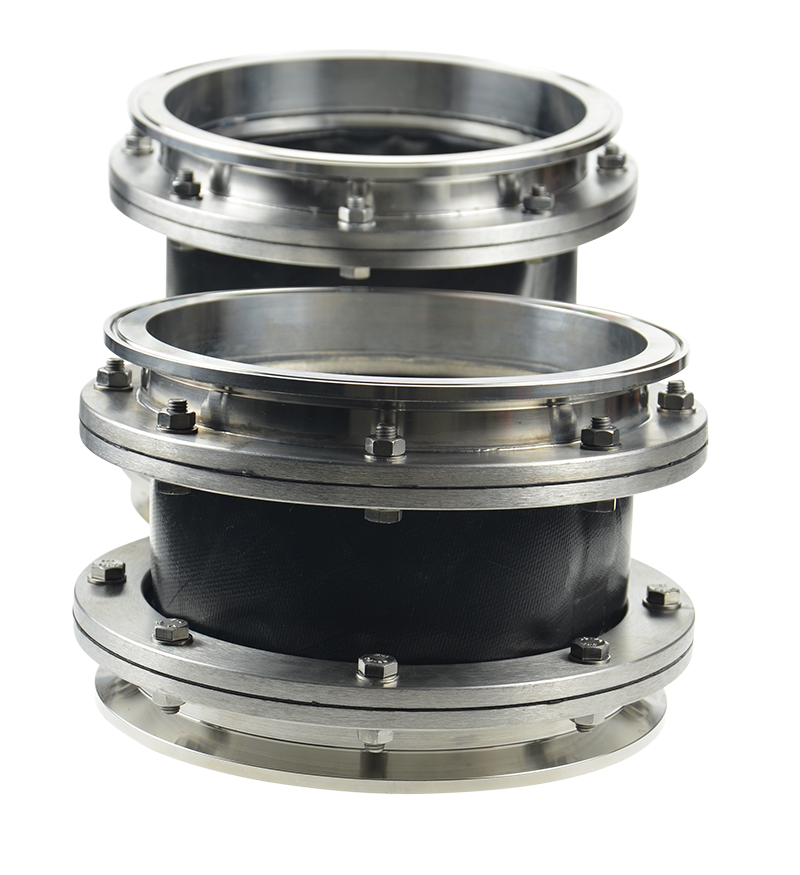
Hygienic Production
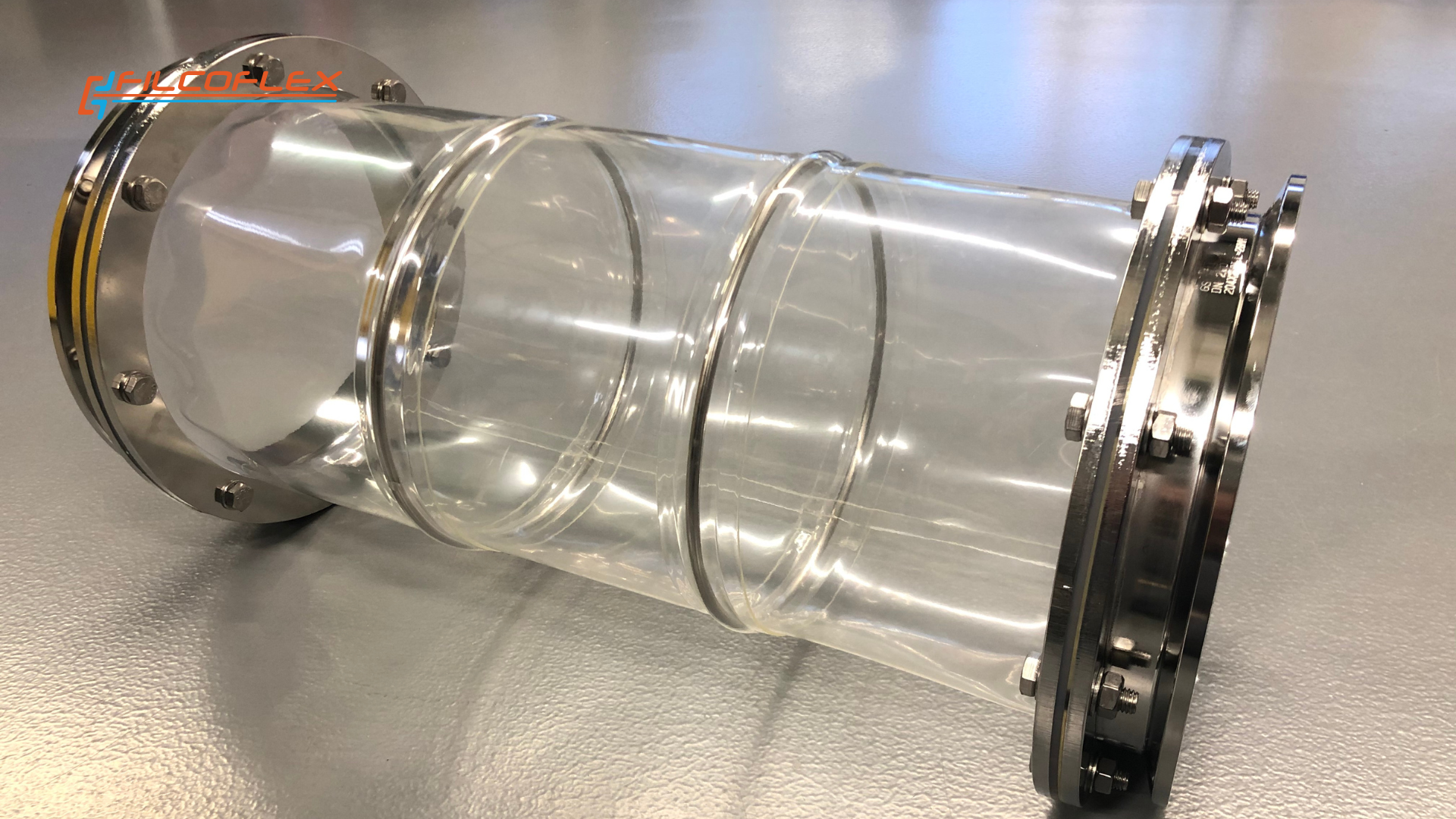
The design of LFDDC is based on the principles of the Flange Fitted flexible connection. It has quick connection type flanges welded or machined together with the flange with bolt pattern. As a result, not only tri-clamp is possible, but almost any type of flange with a quick action coupling. A Flange Fitted connection has the best sealing properties and the least amount of crevices, trapped corners or edges, making it the best way to connect a flexible sleeve to a ducting part. By machining a conical edge on the inside, the whole LFDDC becomes free of any unhygienic entrapment or hard to clean places. This makes it a hygienic coupling, because of the rigid metal adapter parts making it vacuum and over pressure-resistant at the same time. There are many application options, including specific options for weighing and dosing techniques, ATEX, foodstuffs, chemical and color and metal detection.
Cost-effective solution
When the flexible sleeve is worn out, it can be easily replaced. This makes the LFDDC a cost-effective solution that allows all metal parts to be reused. Furthermore, by using the standard couplings on the market, you can use a wide variety of connection clamps, such as the standard tri-clamp accessories or the versions which allow for tool release or a padlock for instance. Brackets or braces can be placed or can be incorporated in the design to fit magnets, switches, contacts or other electronic devices that either detect the presence of a flexible connection or keep it in place such as electromagnets can do, even when the clamps are removed. It can also be made suitable for lock out tag out (LOTO). This can all be of importance when the flexible connection is close to a rotary valve, screw conveyor, butterfly valve, mill, other mechanical equipment or when a harmful gas is present inside the tubing.
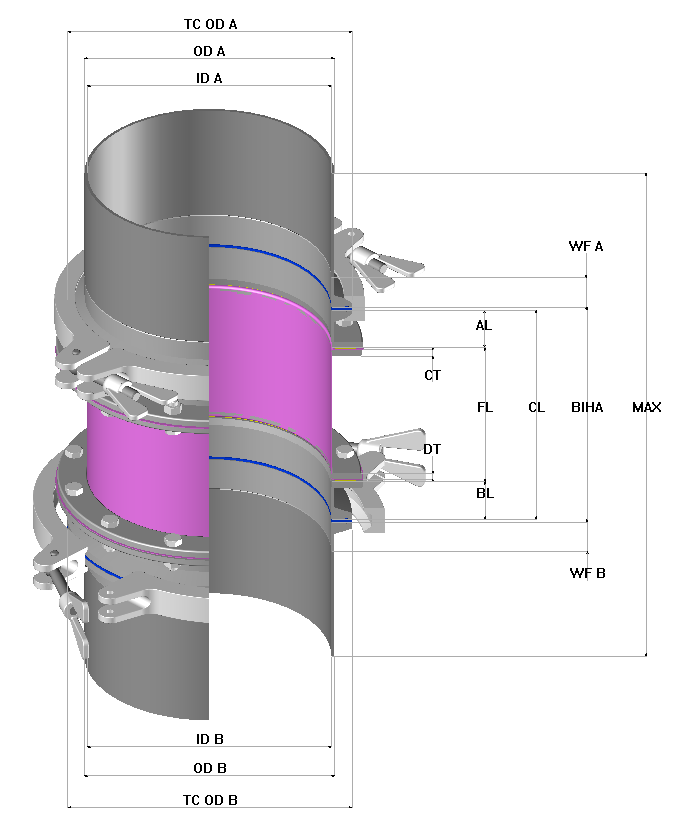
| PARAMETER | EXPLANATION |
|---|---|
| TC OD A | Triclamp Flange Outside |
| OD A | Tube Outside Diameters |
| ID A | Inside Diameter |
| WF A | Welding Flange Length |
| AL | AdapterFlange Length |
| CT | Counter Flange Thickness |
| FL | Length Flexible Sleeve |
| CL | Length Flexible Connector |
| BIHA | Length Between Tubes / Flanges |
| MAX | Maximum Available Build in Height |
| DT | Counter Flange Length |
| BL | Adapter Flange Length |
| WF B | Welding Flange Length |
| ID B | Inside Diameter |
| OD B | Tube Outside Diameter |
| TC OD B | Triclamp Flange Outside |
Filcoflex specializes in design
and manufacture of polyurethane,
silicone, rubber, and textile flexible
connections for bulk product
transport.